
Heading to Africa soon, with plans to visit the Serengeti safari? Let me give you the rundown.
Imagine endless plains under the African sun. It’s more than a national park. It’s nature’s daily masterpiece.
As you cross the vast Serengeti grasslands, get ready to be mesmerised by the bustling wildlife. Zebras, buffalo, and elephants go about their daily routines. They paint a vivid picture of wild life.
But the real showstopper? The Great Migration – an awe-inspiring spectacle of millions of wildebeest on the move. Words can’t capture the sight. You have to see it yourself.
This isn’t just any safari; it’s an immersion into the heart of Africa.
Now, let’s delve into what awaits you on your journey through Serengeti National Park. This guide is tailored to ensure you’re well-prepared for Tanzania’s oldest national park.
From the optimal times to visit and essential preparations to packing tips, anticipated wildlife encounters, and recommendations for enriching your itinerary with nearby parks and reserves, we’ll ensure your safari experience is nothing short of extraordinary.
Where Is Serengeti, Tanzania
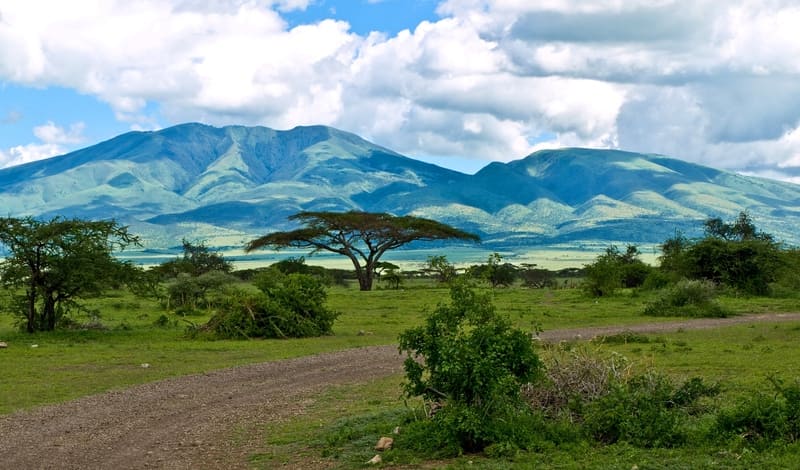
Tanzania’s flagship park sits in the northwestern corner of the country, bordering Kenya to the north.
It crosses the border into Kenya’s Masai Mara National Reserve. This forms the Serengeti-Mara Ecosystem. This is one of Earth’s largest and most protected ecosystems. It spans about 30,000 square kilometres (12,000 square miles).
The landscape is vast and has wide savannah plains. It’s the backdrop for the Serengeti’s famous biodiversity and the yearly spectacle of the Great Migration.
Surrounding the Serengeti are other notable safari areas. The Ngorongoro Conservation Area lies to the southeast. The Grumeti Game Reserves are to the northwest and west. These areas offer additional opportunities to explore Tanzania’s rich wildlife and diverse landscapes.
For travellers starting their Serengeti adventure, Kilimanjaro International Airport or Arusha Airport is the main way in. From there, short charter flights connect travellers to lodges in the park. They provide a smooth transition to the heart of the wilderness.
Alternatively, ground transfers use game vehicles. They offer a scenic intro to the safari experience. This is especially true for lodges closer to the airstrips.
If you arrive late at night, consider staying overnight in Arusha. Then, catch a charter flight to the Serengeti the next day. This allows for a smoother transition into your safari adventure, ensuring you’re well-rested and ready to embark on your African journey.
What Is Serengeti Famous For

For me, the Serengeti in Tanzania isn’t just a place on a map—it’s a living, breathing testament to the raw beauty and untamed spirit of Africa. It’s famous for its iconic landscapes, where endless plains stretch as far as the eye can see under the golden African sun.
But what truly sets the Serengeti apart is its biodiversity.
Majestic elephants roam across the savannah. Agile cheetahs race across the plains. Every creature here plays a vital role in the intricate web of life.
But, perhaps the most mesmerising spectacle of all is the annual Great Migration. It is a breathtaking display of millions of wildebeest and other animals on the move. It’s a sight that leaves an indelible mark on your soul, one that must be witnessed to truly appreciate its grandeur.
Yet, beyond its wildlife, the Serengeti is steeped in history and culture.
Did you know that its name comes from the Maasai language, meaning “endless plains”? It fits this place well. The place seems to stretch into infinity. It shows the timeless beauty of Africa.
So, what is the Serengeti, Tanzania, famous for? It’s famous for its vast plains, iconic wildlife, and the incredible spectacle of the Great Migration, where millions of wildebeest and other animals traverse the landscape in search of greener pastures.
Weather In Serengeti, Tanzania
The weather in Serengeti, Tanzania, varies throughout the year, offering visitors different experiences depending on when they visit.
Dry Season (June To October)
This period is characterised by clear skies and minimal rainfall, making it an ideal time for wildlife viewing. Temperatures are mild during the day, averaging around 25-30°C (77-86°F), but can drop significantly at night.
The lack of vegetation allows for excellent visibility of animals congregating around water sources, providing fantastic safari opportunities.
Short Rainy Season (November To December)
During this time, short bursts of rain can be expected, typically in the form of afternoon showers. While these rains rejuvenate the landscape and bring lush greenery, they can also make wildlife spotting a bit more challenging.
However, the scenery is stunning, and the crowds are fewer, making it a quieter time to visit.
Long Rainy Season (March To May)
This period experiences heavy rainfall, transforming the Serengeti into a lush, green paradise. The rains are consistent and can lead to flooded roads and difficult driving conditions. Wildlife disperses across the landscape, making sightings less predictable.
However, for birdwatchers and those seeking a more immersive experience, this can be an excellent time to visit.
Best Time To Go To Serengeti, Tanzania
For optimal wildlife viewing and pleasant weather, the best time to visit the Serengeti is during the dry season, from June to October. This period offers prime conditions for spotting the Great Migration and other iconic African wildlife.
If you prefer fewer crowds and don’t mind occasional showers, the short rainy season in November and December can also be a good option.
5 Best Things To Do In Serengeti, Tanzania
1. Witness The Great Migration Safari
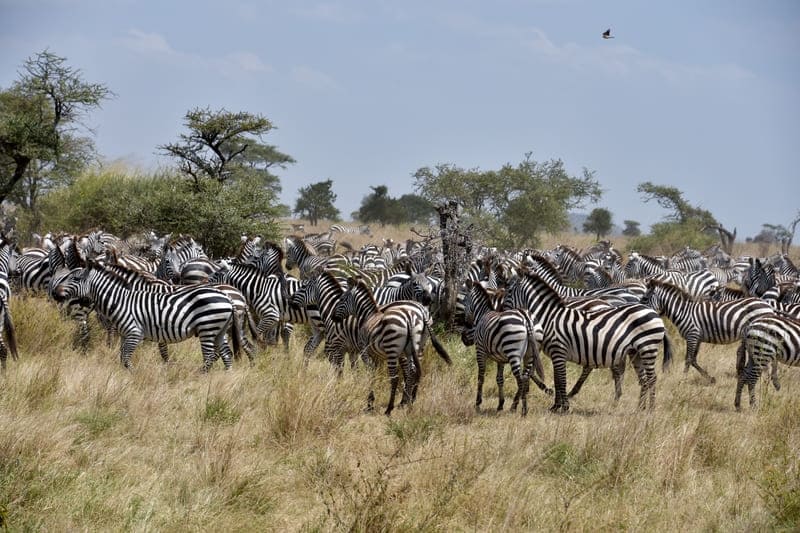
Prepare for an awe-inspiring adventure as you witness the Great Wildebeest Migration around the Mara River.
Each year, over 2 million wildebeest and zebras journey in a clockwise fashion. They create one of nature’s most breathtaking spectacles.
From mid-July to late August, the action intensifies near the Mara River in the far north of the Serengeti. Here, you’ll see thousands of wildebeest brave the choppy waters. Hungry crocodiles lurk beneath.
Patience is key as crossings don’t happen every day, but when they do, it’s a sight to behold. Be prepared for many sightings in a day. Travellers from around the world flock to witness this great event.
2. Embark On A Hot Air Balloon Safari

Take your Serengeti experience to new heights with a hot air balloon safari. Drift silently above the plains as the sun rises.
Below, the golden savannah stretches as far as the eye can see, dotted with acacia trees and meandering rivers. Herds of wildebeest and zebras move gracefully, casting long shadows in the soft morning light. Giraffes nibble on treetops while elephants lumber leisurely through the bush.
As you drift silently through the sky, the Serengeti reveals its secrets from a new angle. Keep your eyes peeled for elusive predators stalking their prey below.
It’s a surreal experience, one that captures the essence of the Serengeti in all its breathtaking beauty.
3. Indulge In A Lunch In The Wilderness
Escape the confines of traditional dining and savour a hot, freshly prepared lunch amidst the serenity of the jungle.
Enjoy a 3 course, multi-cuisine meal crafted with locally sourced ingredients, all served in the heart of the wilderness. With no need to rush back to your accommodation, savour each moment surrounded by the beauty of nature and the sounds of the bush.
4. Embark On An Early Morning Game Drive
Experience the Serengeti at its most vibrant with an early morning game drive. Departing before sunrise, witness the savannah come alive as the first rays of light illuminate the landscape.
With cooler temperatures and animals at their most active, this is prime time for wildlife sightings.
From majestic lions on the prowl to graceful giraffes silhouetted against the dawn sky, every moment promises to be unforgettable.
5. Relax & Disconnect in the Wilderness
During thrilling safari trips, be sure to carve out time to relax. Use it to truly connect with the essence of the Serengeti. Let yourself be enveloped by the peacefulness of this vast landscape, encouraging you to pause and relish each moment.
During quiet moments of your stay, relax by the pool. Let the breeze touch your skin as you bask in the African sun.
Alternatively, find a cosy spot on the lodge’s veranda and simply observe the world around you. Watch as wildlife wonders by, their movements graceful and unhurried, offering a glimpse into the rhythm of life in the wilderness. With each moment, let yourself be present. Soak in the sights, sounds, and scents of the African bush.
Take a fulfilling lunch in the wild in Serengeti, or perhaps take part in a cultural activity. This could be a traditional storytelling session or a nature walk, you can even explore Lake Natron.
Let the vastness of the Serengeti inspire wonder and gratitude. It reminds you to appreciate the simple joys of life and the beauty of the natural world.
How Long Should Your Trip To Serengeti Safari Be?
Planning the perfect Tanzania safari requires considering many factors. These include your preferences, budget, and desired destinations.
From my own experience, I suggest setting aside at least 7 to 10 days for an immersive safari journey. This time frame allows you enough time to truly appreciate the diverse offerings of Tanzania’s renowned national parks and reserves.
During this time, you’ll get to explore many national parks and reserves. Each has its own unique wildlife and landscapes. From the iconic Serengeti to the majestic Ngorongoro Crater. And the lush Tarangire to the picturesque Lake Manyara. Each place has its own attraction.
A longer duration ensures a full safari. It also adds flexibility to your plans. This means more time to fully immerse in wildlife sightings. You can connect with local cultures and enjoy guided walks or night drives.
Remember, Tanzania is beautiful due to its vastness and diversity. The more time you spend on safari, the more deeply you can explore its wonders. You may have a week or more. Each moment in this amazing East African place will be filled with great experiences.
How Much Does The Serengeti Safari Cost?
From my personal experience, the cost of a safari in the Serengeti can vary widely based on factors like the level of luxury, duration, and specific areas visited. Here’s a detailed breakdown to help you plan your budget.
Budget Safaris
If you’re looking for a more affordable option, budget safaris typically cost between USD 2000 and USD 3000 per person for a 7-day trip.
These safaris often include basic lodges or tented camps with essential amenities. The accommodations are simple yet comfortable, providing a clean bed and bathroom facilities.
Transportation usually involves shared vehicles for game drives, which means you’ll be exploring the park with other travellers.
Meals on budget safaris are straightforward but hearty, often including buffet-style offerings such as pasta, grilled meats, salads, and fresh fruit.
Activities might include guided game drives, and some lodges offer optional activities like cultural visits to nearby Maasai villages or short nature walks.
Mid-Range Safaris
For a mid-range experience, expect to spend between USD 4000 and USD 6000 per person for a week.
This range offers a balance of comfort and cost, including more comfortable lodges or tented camps with enhanced facilities. You might stay in places with better furnishings, private verandas, and even swimming pools.
Transportation is often in semi-private or private vehicles, allowing for a more personalised and flexible game-drive experience.
Meals at mid-range lodges are more varied and of higher quality, often featuring 3-course dinners with dishes like grilled fish, roasted vegetables, and delectable desserts.
Activities can include guided game drives with smaller groups, which enhances wildlife viewing opportunities, and additional options such as hot air balloon rides, night drives, and visits to local schools or markets to learn about the culture.
Luxury Safaris
For those seeking a high-end experience, luxury safaris like Napenda Adventures can range from USD 8000 to USD 12000 or more per person for a week.
These packages often include stays at premium lodges or luxury tented camps, offering the highest level of comfort and service.
Accommodations may feature large, beautifully decorated tents or suites with king-sized beds, en-suite bathrooms with bathtubs, and outdoor showers. Some camps have plunge pools, spas, and private dining areas.
Transportation is in private vehicles, often equipped with amenities like air conditioning and refreshments. Meals on luxury safaris are gourmet, prepared by top chefs, and might include fresh seafood, prime cuts of meat, and an array of international and local dishes, paired with fine wines.
Activities are diverse and can be customised, including private game drives, guided walking safaris, hot air balloon rides, and exclusive bush dinners under the stars. The level of personalised service ensures a memorable and bespoke safari experience.
Specific Areas and Costs
Central Serengeti: Generally offers a range of options from budget to luxury, making it a versatile choice for different budgets.
Northern Serengeti: Tends to be more expensive due to its proximity to the Mara River, where you can witness the Great Migration. Luxury camps here can be quite costly.
Western Corridor: Known for the Grumeti River and offers mid-range to high-end options.
Is It Safe To Go On Safari In Serengeti?
Yes, it is safe to go on safari in the Serengeti. From my own experience, I can assure you that safety is a top priority for safari operators.
Professional guides are well-trained and knowledgeable about wildlife and park regulations. They take necessary precautions to ensure your safety during game drives and other activities.
The camps and lodges are also secure, often with guards and staff who’re experienced in handling wildlife encounters. It’s important to follow the guidelines provided by your guides, such as staying in the vehicle during game drives and not walking around the camp at night without a guide.
Overall, while the Serengeti is a wild and untamed environment, the measures in place and the expertise of the guides make it a safe and thrilling adventure.
How To Pack For A Trip To Serengeti Safari, Tanzania
Clothing
Packing for a Serengeti safari requires careful consideration to ensure you have all the essentials for a comfortable and enjoyable experience.
When it comes to clothing, opt for lightweight, breathable fabrics like cotton or linen to combat the African heat.
Long-sleeved shirts and pants are recommended to protect against the sun and insect bites, while neutral colours like khaki and beige help you blend in with the environment and avoid startling wildlife.
Additionally, pack warm layers such as a fleece or jacket for cooler mornings and evenings, along with sturdy walking shoes or hiking boots for game drives and walking safaris.
Essentials
In terms of essentials, sunscreen and lip balm with high SPF are crucial for protecting your skin from the intense sun, while insect repellent with DEET helps ward off mosquitoes and other bugs.
Don’t forget to bring a wide-brimmed hat and UV-protection sunglasses to shield your face and eyes, as well as binoculars to enhance your wildlife-viewing experience.
A camera with extra batteries and memory cards is essential for capturing the breathtaking scenery and abundant wildlife of the Serengeti.
Personal Items
When it comes to personal items, ensure you have all necessary travel documents including your passport, travel insurance details, and any required visas. Keep copies of these documents in a separate location for added security.
Bring a mix of cash and cards for tipping guides and making small purchases, as well as travel-sized toiletries like toothpaste, shampoo, and soap. While many lodges provide these amenities, having your own ensures you have everything you need.
Don’t forget to pack entertainment for downtime, whether it’s a book, movies, or music to enjoy during quiet moments.
Consider bringing additional items like a travel pillow and eye mask for comfortable travel on long flights or drives, as well as a dry bag to keep electronics and important documents dry, especially during the rainy season.
A small backpack is handy for carrying essentials during game drives and excursions, allowing you to keep your hands free for photography and wildlife spotting.
Is Serengeti Safari Worth It?
From my personal experience, I can confidently say that a Serengeti safari is absolutely worth it.
The Serengeti offers an unparalleled opportunity to witness some of the most incredible wildlife spectacles on the planet, including the Great Migration of millions of wildebeest and other animals. Seeing these animals up close in their natural habitat is an unforgettable experience that will stay with you for a lifetime.
Moreover, a safari in the Serengeti provides a chance to disconnect from the hustle and
bustle of everyday life and reconnect with the natural world.
Whether you’re enjoying a game drive at sunrise, dining under the stars, or simply relaxing at your lodge surrounded by the sights and sounds of the bush, the Serengeti offers a sense of peace and tranquillity that is hard to find elsewhere.
The chance to witness the incredible wildlife, including the Great Migration, is unmatched.
Beyond the animals, the landscapes are breathtaking, ranging from vast savannah plains to lush riverine forests. It’s an opportunity to disconnect from the everyday and reconnect with nature.
Similarly, exploring South Africa’s Garden Route and Cape Town offers stunning coastal scenery, diverse wildlife, and vibrant culture. Whether you’re on safari in the Serengeti or exploring the Garden Route, the experiences are unparalleled and well worth the journey.

