I booked the Big Island thinking beaches, and what I haven’t stopped talking about weeks later is the driving. Not what I expected to bring home from Hawaii.
It’s the biggest island in the chain by a considerable margin, bigger than all the others stacked together, and it’s not walkable at all. The good stuff is scattered. An hour to the volcano, 90 minutes up to the ranch town, back down for a beach. You drive, or you don’t really see it.
I was a little annoyed about that on day one and completely converted by day 3.
If you’re trying to decide when to go in Hawaii, the Big Island is one of the best places to visit in the USA in December if you’re planning a winter trip and weighing up your options.
Here’s everything you need to know before you go to the Big Island.
Read Also:
Exploring North Shore Oahu Activities by BUS
Best eSIM For The USA [2026 GUIDE]
At A Glance
- The Climate Zones In The Big Island, Hawaii
- Sort Your Car Rental Before You Land
- The Beaches Are Unlike Anything You’ve Seen
- Mauna Kea: Don’t Get Caught Out
- The Volcano Deserves A Full Day
- Food You Can’t Miss In Hawaii
- Waimea: The Green Cowboy Town You Shouldn’t Skip
- Don’t Skip The Hilo Side
- Hawaii Tips I Wish I’d Known
- Give It More Days Than Feels Sensible
The Climate Zones In The Big Island, Hawaii

Waterfall in the middle of a jungle, Hawaii
Here’s the thing nobody quite gets across before you go: this island has 8 or 9 of the world’s climate zones stacked onto one landmass, and you feel every single one of them from behind the wheel.
I started a morning in dry black lava desert on the Kona side — all cactus and heat shimmer — and by mid-afternoon I was in cool green cattle country with fog rolling over the hills. I genuinely couldn’t believe it was the same island, let alone the same day.
Then there’s the wet side over by Hilo: jungle, waterfalls, and rain that comes and goes like it’s on a timer. You don’t so much visit the Big Island as drive through 5 or 6 different countries pretending to be one.
Sort Your Car Rental Before You Land
Here’s the thing nobody quite gets across before you go: this island packs a huge chunk of the world’s climate types onto one landmass, and you feel every single one of them from behind the wheel.
Kona: Dry Lava Desert
The Kona side, where you’ll likely land, is dry heat and black lava rock. Cactus grows wild along the roadside, and the coast gets some of the lowest rainfall on the island. This is also where the Kona coffee belt sits, on the slopes just above the shoreline, thanks to the specific mix of morning sun and afternoon cloud cover.
Waimea: Cool Ranch Country
Drive up into the hills behind Kona and the landscape flips completely. Waimea sits in green, rolling cattle country, cool enough that you’ll want a layer even in the middle of summer. It’s paniolo (Hawaiian cowboy) territory, and the contrast with the lava coast 20 minutes below it is jarring the first time you see it.
Hilo And Puna: Tropical Rainforest
The windward side of the island, around Hilo and out through Puna, is the wet side. This is where the jungle, the waterfalls, and the near-daily rain showers live. It’s also why this side of the island stays so relentlessly green: parts of the Hāmākua Coast see some of the highest rainfall totals in the entire state.
The Saddle And The Summits: Alpine And Near-Polar
Between Mauna Kea and Mauna Loa, the road climbs into a high, barren saddle that looks closer to a moonscape than anything tropical. Push higher still, up toward the Mauna Kea summit, and you’re in genuinely alpine, near-tundra conditions: freezing overnight temperatures, and snowfall in winter, on an island you swam off that same morning.
My Recommendation When Going To The Big Island, Hawaii
Do it differently. Go local. When you book a car rental from Kona International Airport through an independent company, the car’s waiting when you land — no queue, no van ride to a lot 3 km away, and half of them will drop it to your hotel if you ask. After a long-haul flight from the mainland, that is not a small thing.
I’ve done the counter shuffle, jet-lagged and holding a boarding pass I no longer needed. I’ve done it the local way. I’m never going back to the first option.
You don’t so much visit the Big Island as drive through several different climates in a single day. Pack for all of it: sunscreen and swimwear for the coast, a proper jacket for the summit, and a rain layer if you’re spending any time on the Hilo side.
Upgrade To A Convertible

Switching to a convertible to enjoy Hawaii view
I’d reserved a sensible little sedan, very responsible. Then I spent my first evening on the coast road north of Kona with the lava going orange and the water dead flat and gleaming, windows up like an idiot in a rental Corolla, and called to swap first thing the next morning.
Turns out a convertible rental on the Big Island runs cheaper than the same thing on Maui — which I didn’t see coming. Worth every dollar. The coast highway and the green mountain road up toward Waimea are top-down roads, full stop.
I’m not usually a convertible person. I roll my eyes at convertible people. Then the trade wind hit me at 64 km/h (40 miles an hour) with the whole Kohala coast opening up, and I finally got it.
The Beaches Are Unlike Anything You’ve Seen

Sea turtle sighting, Hawaii
I came for beaches, and the Big Island quietly rewrote what I thought a beach was.
There’s a black sand beach at Punaluu where green sea turtles haul out onto the warm rock and just lie there like they own the place — which they sort of do. Up at the south tip there’s a green sand beach, actual olive-green, from crushed volcanic mineral, and you have to hike a fair stretch over open bluff to reach it. Completely worth the sunburn.
The snorkelling off the Kona side is honestly the best I’ve done anywhere in the States. Mornings the water goes glassy before the wind picks up around lunch, so I learnt to be in it early and lazy on land later.
Book your Kona snorkelling experience here
Mauna Kea: Don’t Get Caught Out

Stargazing from campground
Real talk on Mauna Kea, because people get caught out and it’s avoidable.
The summit road requires 4-wheel drive — the rangers do check — and most of the big rental chains flat-out ban that road in the fine print. People find this out halfway up, which is a bad place to find it out.
If you want the summit at sunset and the stars after, you need an actual 4×4 from a local operator that allows it, sorted before you fly. The summit sits at nearly 4,267 metres (14,000 feet) above sea level, above the cloud deck, and the whole Milky Way just detonates over your head.
According to the National Park Service, Mauna Kea is considered one of the best stargazing locations on earth. As someone who has chased dark skies across the best stargazing campgrounds in the Southwest USA, I still wasn’t fully prepared for what Mauna Kea delivers. Standing up there in the dark, I completely agree.
It’s also so cold you can see your breath on an island where you snorkelled that same morning. Bring a real jacket. I mean an actual coat. I froze in a hoodie and hated myself and would do it again in a heartbeat.
Book your Mauna Kea summit and stargazing adventure here
The Volcano Deserves A Full Day

Volcano crater, Hawaii
The volcano is its own day, and it deserves the whole day.
Hawaii Volcanoes National Park is on the far side from Kona, so budget the drive. Once you’re there, you can walk right up to a steaming crater and cross old lava fields that look like the surface of somewhere that isn’t Earth. Time it so you’re there as the light drops — the glow starts showing in the caldera, and it stops being a national park and starts being something closer to a religious experience.
I ate a gas station musubi in the car park afterwards, and it was one of the best meals of the trip. That tells you what the day did to me.
Food You Can’t Miss In Hawaii

Colourful shave ice in Hawaii!
The Kona coffee is the real thing, and you should tour a farm on the slopes — they’ll walk you through the whole process and then over-caffeinate you generously.
Poke that would cost a fortune on the mainland is casual counter food here. There’s a plate lunch tradition — rice, mac salad, and some protein — that is deeply unglamorous and deeply excellent.
Get shave ice at least once. Get it twice. Nobody’s counting.
Join a guided food tour in Hawaii here
Waimea: The Green Cowboy Town You Shouldn’t Skip
I keep coming back to Waimea in my head, the paniolo country up in the hills.
Waimea, also called Kamuela, sits at around 814 metres (2,670 feet) elevation on the slopes of Kohala, the oldest of the island’s 5 volcanoes. It’s about 64 km (40 miles) and roughly an hour’s drive from Kona, and the air up there runs noticeably cooler than the coast, cool enough that I wanted a sweater in Hawaii, which wasn’t a sentence I expected to say.
The town grew up around Parker Ranch, one of the largest cattle ranches in the United States at around 130,000 acres, and the paniolo (Hawaiian cowboy) culture still shapes the place. Green ridgelines, grazing cattle, and the ocean sitting way off in the distance make it feel closer to Scottish highlands than tropical Hawaii.
A few practical things worth knowing before you go:
Best time to visit: Saturday or Wednesday, if you can manage it, when Waimea’s farmers market is on. It’s one of the better ones on the island.
What to pair it with: Waipiʻo Valley and the Kohala Mountain Road (Highway 250) are both close by, and the drive up to Waimea makes a natural loop with either.
Beaches nearby: Some of the island’s best white sand beaches, including Hapuna and Mauna Kea Beach, sit just 20 minutes down the hill on the Kohala Coast, so you don’t have to give up beach time to spend an afternoon in town.
Where to eat: The restaurant scene here punches well above what you’d expect from a town this size, largely thanks to the ranching wealth and produce coming straight off the surrounding farms.
That drive up, the way the landscape flips from lava to pasture in the space of a few kilometres, was my single favourite stretch of road on the island. Which is saying something, because I logged a lot of road.
Don’t Skip The Hilo Side
I gave the Hilo side a full day, and I’m glad I didn’t skip it the way people warn you to because of the rain.
Yes, it rains. That’s why it’s green enough to hurt your eyes. Rainbow Falls is right on the edge of town — barely a walk from the car. Akaka Falls plunges around 122 metres (400 feet) down a fern gorge that looks computer-generated.
The town itself is old Hawaii — wooden storefronts, a farmers market, none of the resort polish of the Kona coast — and I liked it for exactly that. If it’s pouring, just wait 20 minutes. It moves through, and the light after a Hilo rain is unreal.
Hawaii Tips I Wish I’d Known
A few dull but genuinely useful things before you go.
- Fill the tank whenever you’re near a station. The stretches between them get long and lonely, especially anything crossing the middle of the island. Download your maps offline, because cell service drops out in big dead zones up on the saddle and out past the volcano.
- Sort a reliable data plan before you land. I’d recommend picking up a USA eSIM before you fly so you’re not scrambling for connectivity when you hit the saddle road dead zone or need Maps at the Mauna Kea summit.
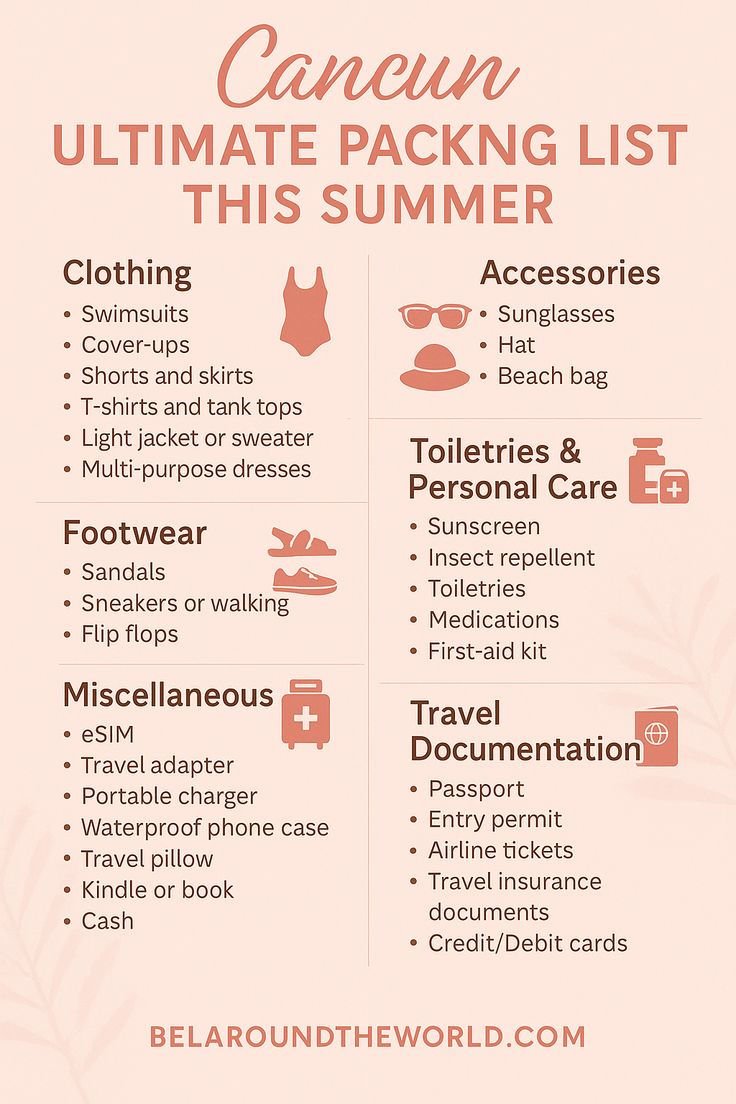
- Bring layers you’d think were ridiculous for Hawaii. You’ll be sweating at sea level and shivering at altitude on the same day. My Hawaii packing list covers exactly what to bring for the temperature swings — the summit section alone is worth reading before you pack.
- Don’t try to see the whole island from a single base. I moved once — Kona side then Hilo side — and it cut hours of backtracking. 2 bases, 1 car for the whole run, and the island opens right up.
Give It More Days Than Feels Sensible
I put close to 640 km (400 miles) on the car in a week without even trying, so check the mileage terms before you drive off. Book the car for the full stay instead of day by day so you can bail on a plan whenever, that flexibility ended up being the whole trip for me.
Some of my best moments were unplanned pullouts: a lookout I wasn’t expecting, a beach with nobody on it, a coffee shack with a hand-painted sign. You can’t schedule those. You can only leave yourself the room and the wheels to chase them.
If you’re heading to Hawaii and haven’t decided which island yet, my first-timer’s guide to Kauai is worth a read for comparison — they’re completely different trips, and knowing the difference before you book saves a lot of regret. Give the Big Island more days than feels sensible and drive it yourself.
The Big Island is my favourite of the islands now, and it’s not close.
If the Big Island has sold you on Hawaii completely and you want to add another island, North Shore Oahu is the most different experience you can add. Nothing like the resort coast, and worth at least a day or 2 on either side of your Big Island time.